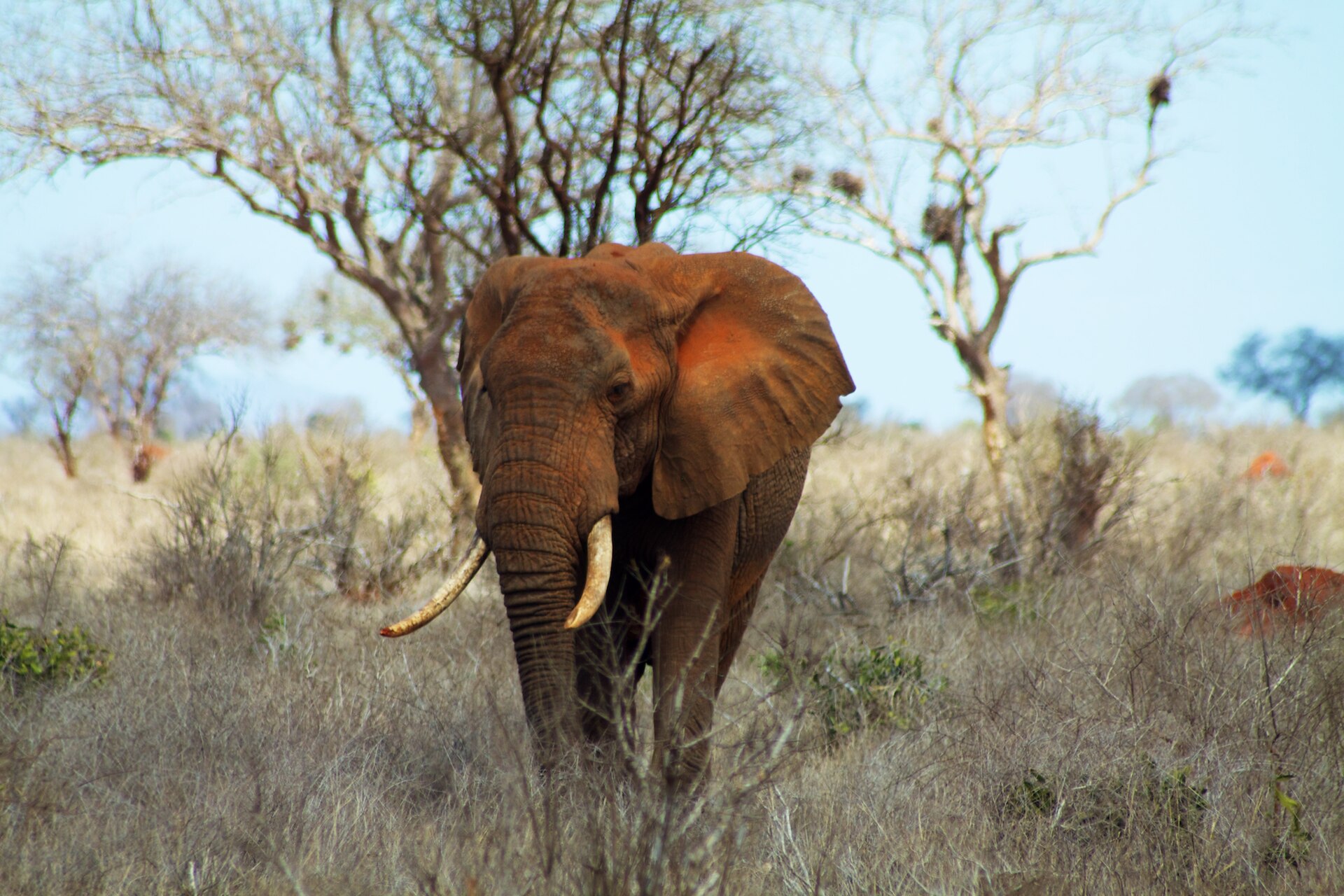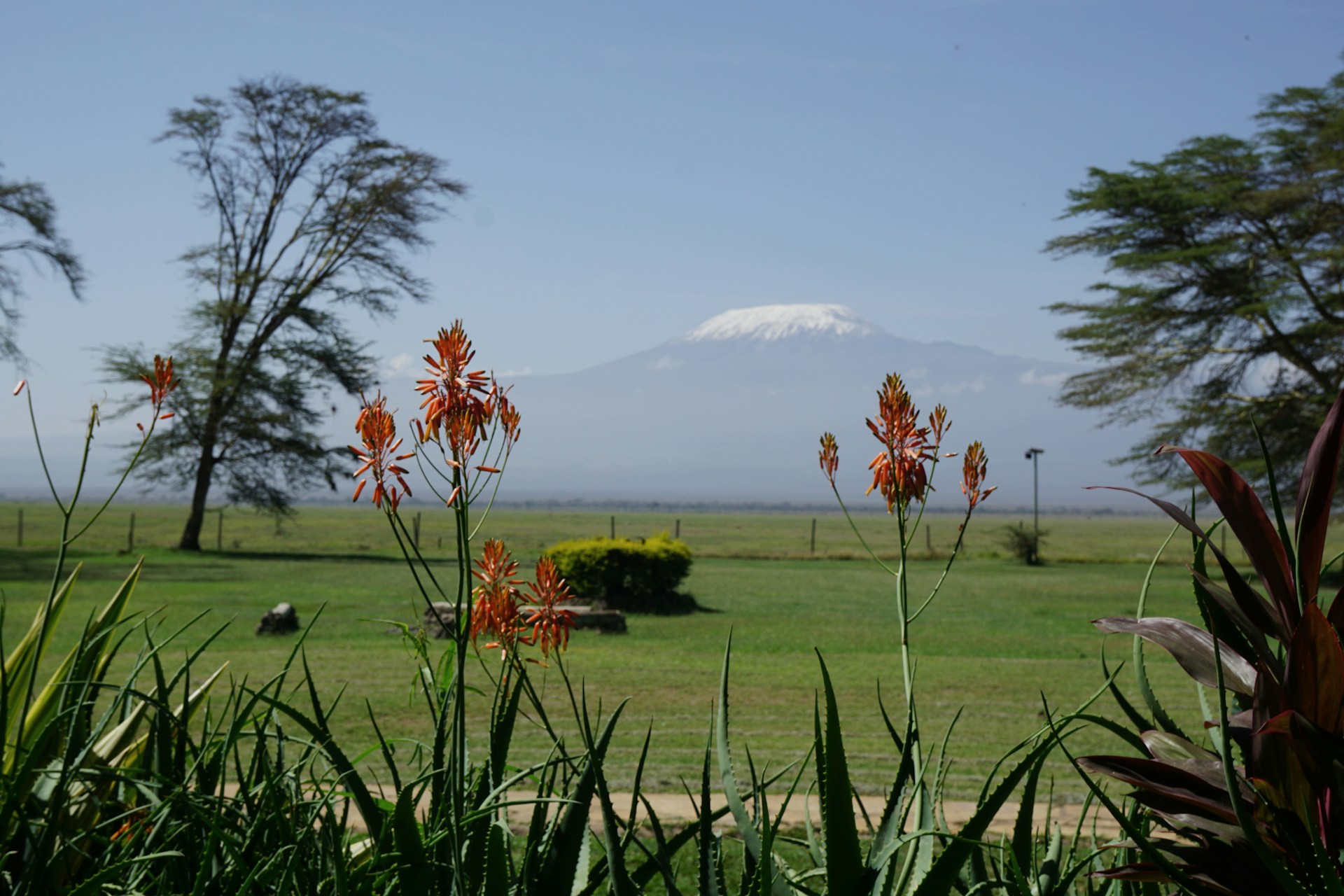
Amboseli is small — only 392 km² — but its setting is unforgettable. The snows of Kilimanjaro rise 5,895 metres above the plain in northern Tanzania, while in the foreground Amboseli's elephant families cross dry pans, swamps and acacia woodlands fed by springs from the mountain.
The park has been the subject of one of the longest-running elephant studies in the world (the Amboseli Trust for Elephants, since 1972). The result is that many of its great tuskers — males carrying ivory that almost touches the ground — are known individually. Seeing them in front of Kilimanjaro is, frankly, the cliché of African photography for a reason.
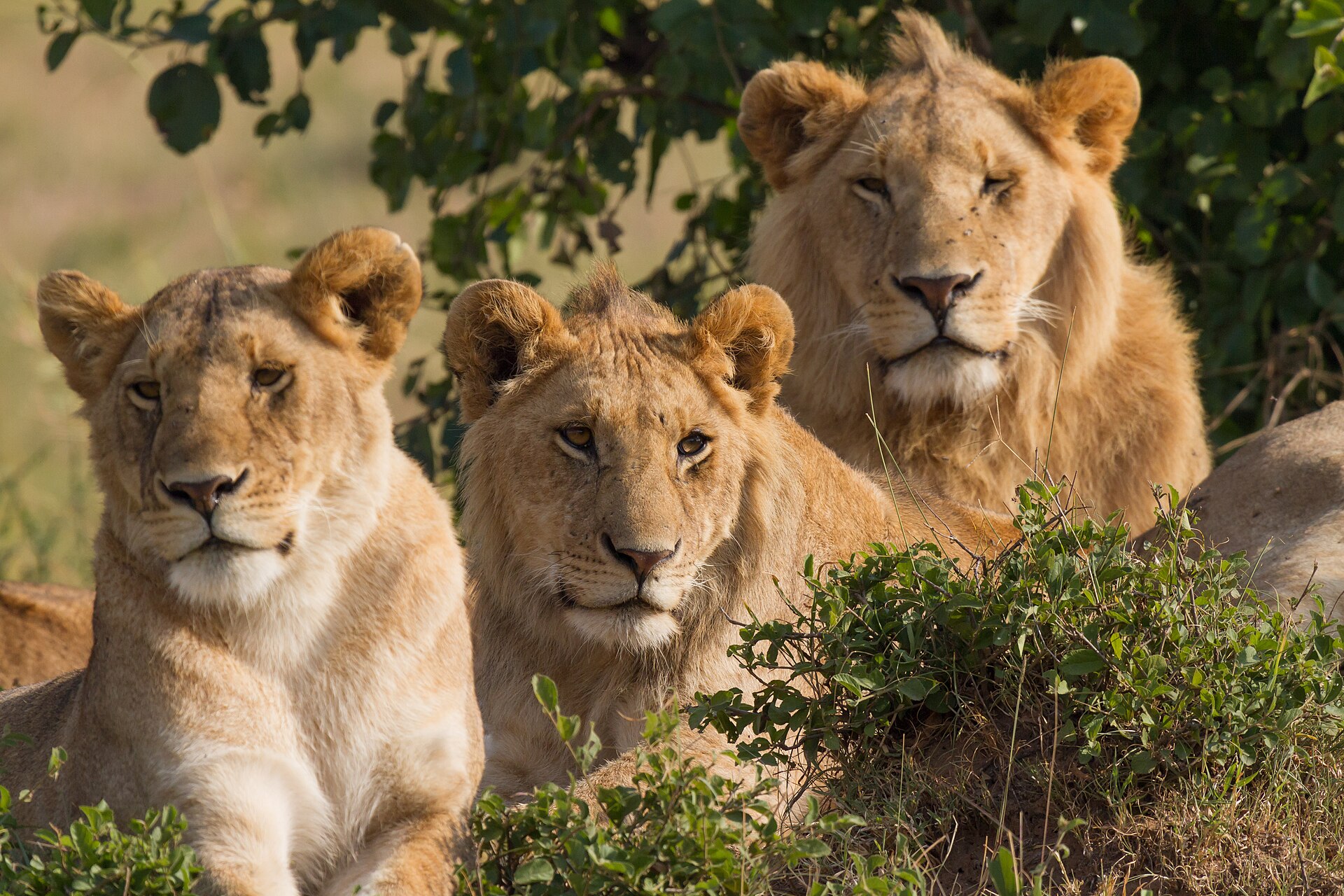
Beyond the elephants, Amboseli is excellent for lion, cheetah, hyena and a long list of plains game. It is one of the best places in East Africa for a family safari: open landscapes, easy game viewing, short drives between sightings.
Highlights
- Kilimanjaro panoramas — best at sunrise
- Some of Africa's last great tusker elephants
- Maasai cultural visits — Amboseli sits in Maasai land
- Exceptional for first safaris and families
- Open plains — excellent visibility
- Easy to combine with a Mount Kilimanjaro climb or Mara extension
When to go
June–October and January–February are the driest months, with the clearest mountain views. The short rains in November and the long rains in April–May can hide Kilimanjaro for days at a time.
Wildlife
Big herds of elephant, lion, cheetah, buffalo, hyena, giraffe, zebra, wildebeest. Leopard is present but scarce. Excellent birdlife around the swamps — over 400 species.
Why we love it
Because the photograph never lies. Watching a hundred-strong elephant herd walk across the plain with the white peak of Kilimanjaro behind them is one of those moments travel was invented for.