The Ngorongoro Crater is the world's largest unbroken volcanic caldera, a 600-metre-deep amphitheatre cradling forest, grassland, marshes and a soda lake. Inside live some 25,000 large mammals, including one of Africa's last free-ranging populations of black rhino.
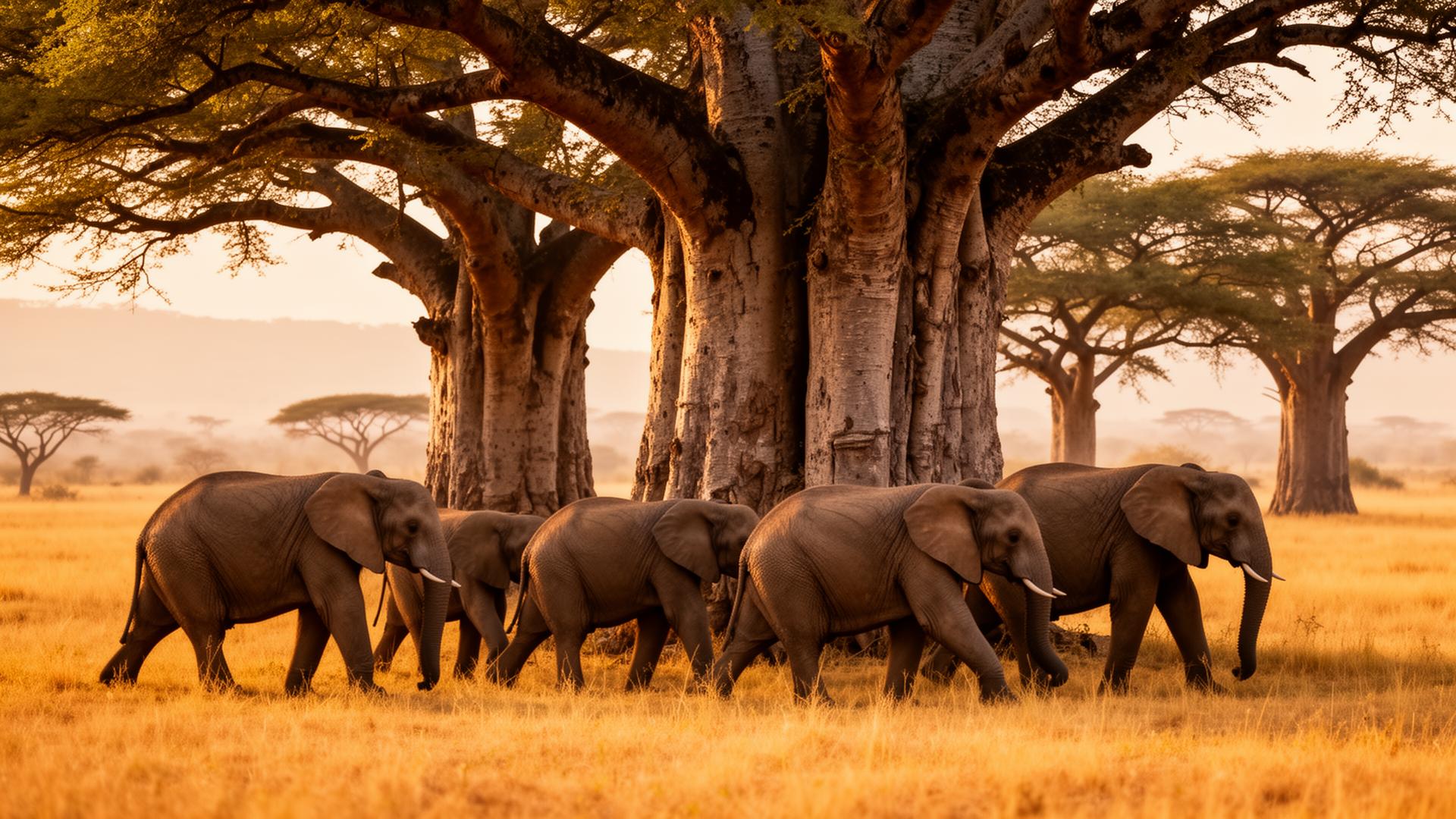
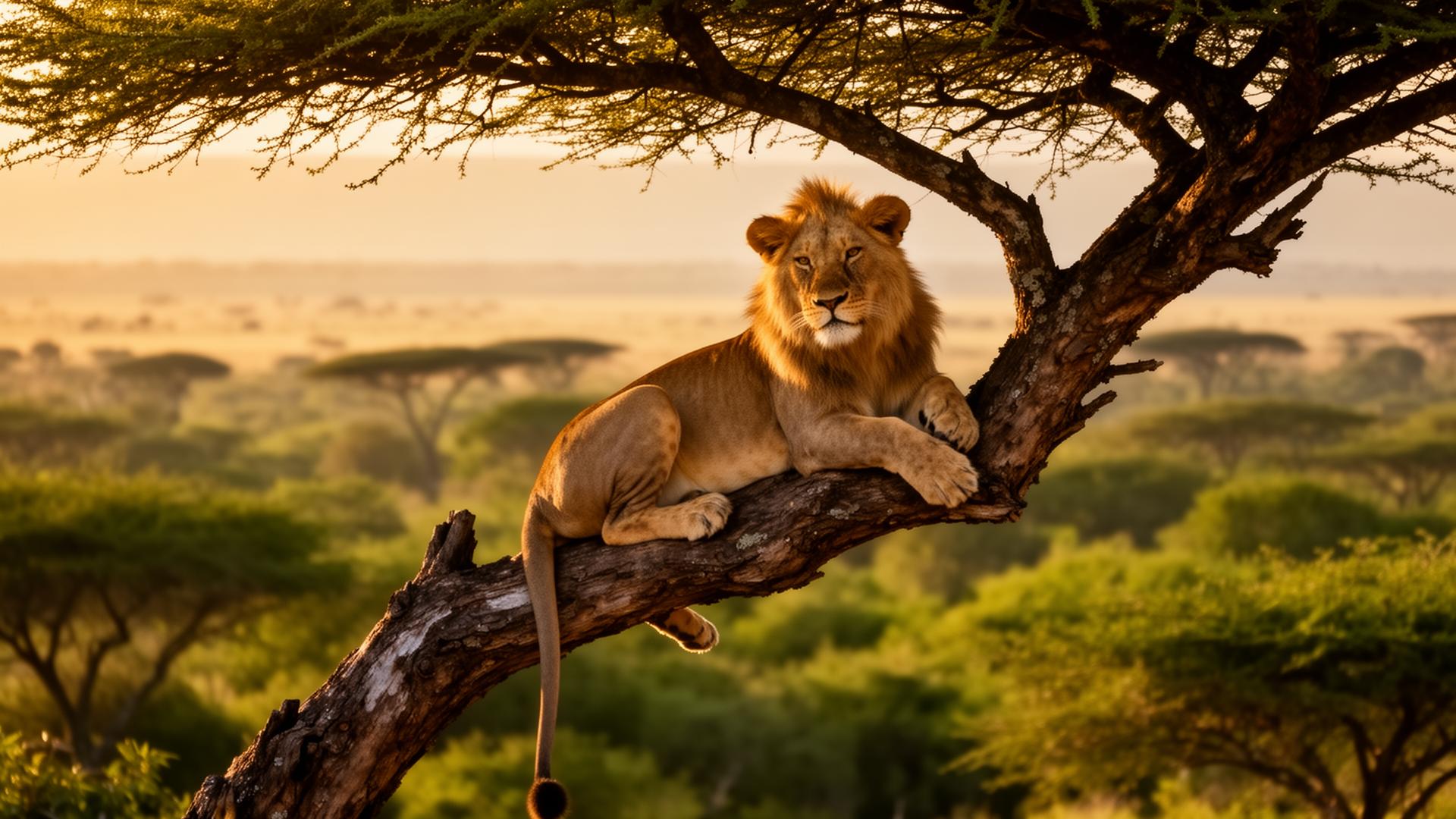
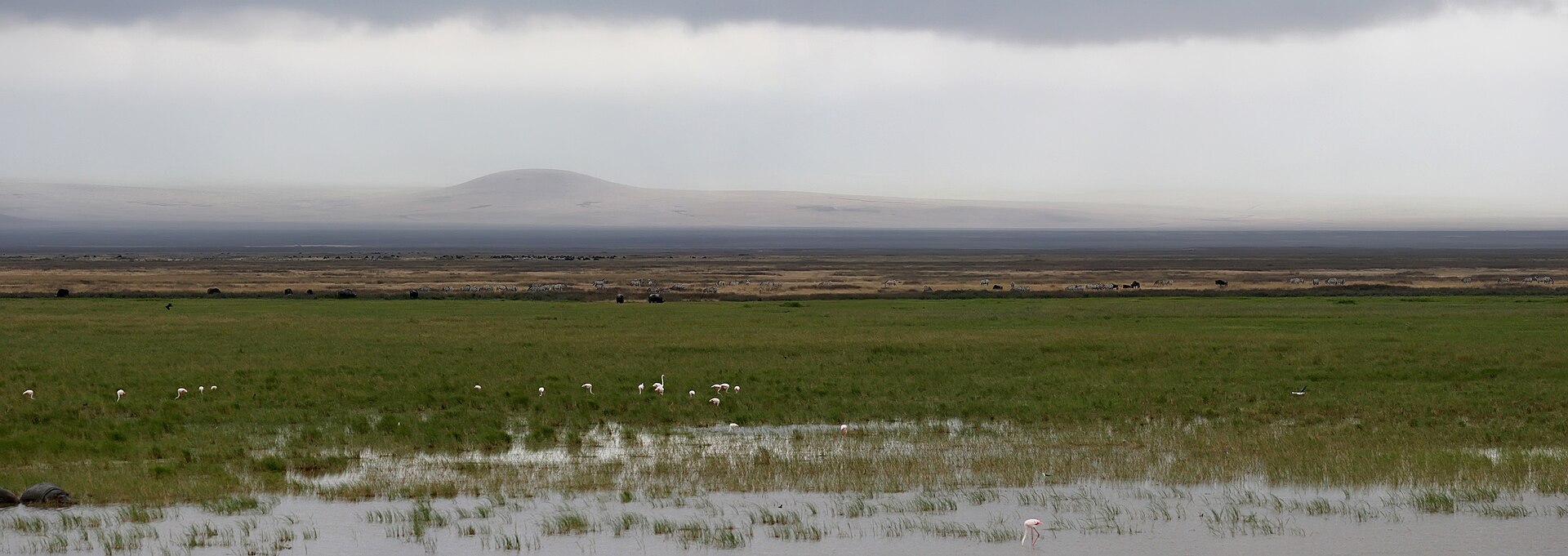
Driving down into the crater at sunrise is a ritual. The walls fold in, the air cools, and within minutes you're among elephants with century-old tusks, hyena clans, lion prides that have learned to live in plain sight, and flamingos in pink ribbons across Lake Magadi.
Beyond the crater itself, the Ngorongoro Conservation Area covers 8,000 km² of highland and crater rims, shared with the Maasai who continue to graze cattle here as they have for centuries — making it one of the few protected areas in Africa where wildlife and people genuinely coexist.
Highlights
- Black rhino — one of the best places in East Africa to see them
- Resident lion prides, including the famous Lerai males
- Vast elephant bulls with old, intact ivory
- Flamingos on Lake Magadi
- The Maasai cultural overlap — authentic, not staged
- Olduvai Gorge — humanity's cradle, on the way to the Serengeti
When to go
Year-round. The crater floor keeps a stable microclimate. June–October offers the clearest visibility and easier game drives. November–May brings dramatic skies and lush green walls.
Wildlife
Four of the Big Five inside the crater (no giraffe — the walls are too steep). Exceptional density of lion, hyena and buffalo, plus the elusive black rhino. The crater rim forest holds elephant, bushbuck and Schalow's turaco.
Why we love it
It is the most concentrated wildlife experience on the planet. We pair it with a calm lodge on the rim, a slow descent at sunrise, and a picnic by the Hippo Pool — not the bus-tour rush most visitors get.